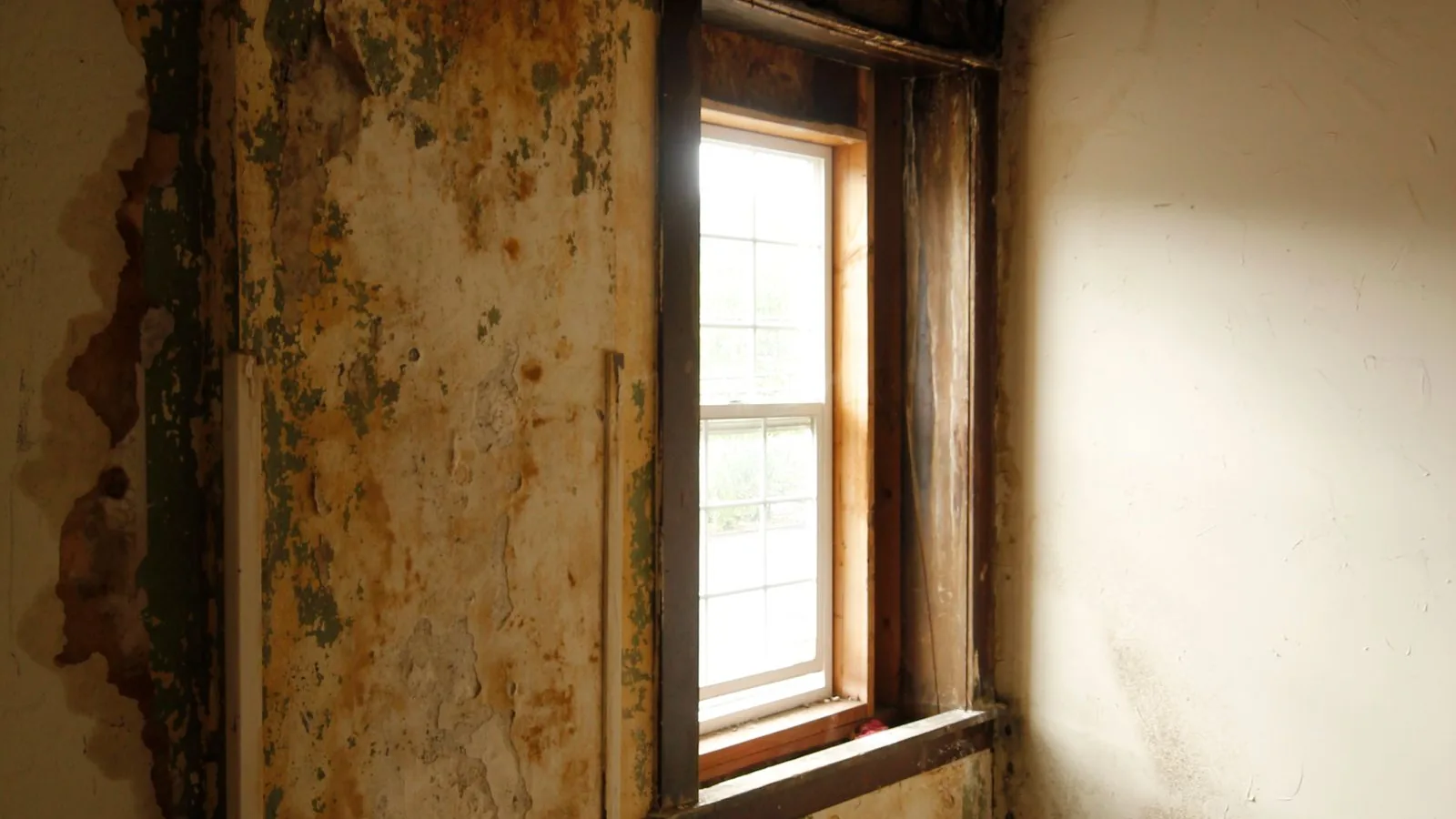
Ceiling Water Damage Repair in Troy, NY
Ceiling water damage repair in Troy, NY starts above the ceiling, not on it. A brown ring, peeling paint or a sagging bulge means water found its way in from a bathroom, a burst pipe, an ice dam or the apartment upstairs. Our crew finds the source, dries the cavity and insulation, and repairs plaster or drywall ceilings so the stain never comes back. water damage restoration in Troy
What Does a Water Stain on a Troy Ceiling Mean?
Quick answer: a ceiling stain means water got into the space above the ceiling and soaked through. Find and stop the source first, which is usually a bathroom, pipe, roof or ice dam leak, then dry the ceiling cavity and insulation before patching. If the ceiling is sagging or bulging, keep everyone out from under it and call a crew, because wet drywall and plaster can drop without warning.
Common Causes of Ceiling Leaks in Troy Homes
- Ice dams pushing meltwater under shingles into top-floor ceilings ice dam and roof leak water damage
- Flat roof and roof drain leaks on rowhouses and mixed-use buildings
- Bathroom leaks: failed tub caulk, shower pans, toilet seals and supply lines
- Upstairs apartment overflows in two-families and multi-family buildings rental and apartment water damage
- Frozen and burst pipes in exterior walls and ceilings burst and frozen pipe cleanup
- Radiator and steam pipe leaks in older homes
- Condensation in poorly vented attics and bathrooms
Our Ceiling Water Damage Process in Troy
Stage 1: Make it safe. We drain any bulging area under control and protect floors and furniture below.
Stage 2: Find the source. Moisture meters and thermal imaging trace water back to the leak, which is often several feet from the stain. hidden leak detection and moisture mapping
Stage 3: Stop the source. We coordinate a plumber or roofer if needed.
Stage 4: Dry the cavity. Wet insulation above is removed, and the ceiling cavity is dried with targeted airflow and dehumidification.
Stage 5: Remove only what must go. Sagging or crumbling sections are cut out cleanly.
Stage 6: Repair and finish. Drywall or plaster is patched, textured to match, primed with stain blocker and painted. water damage repair and rebuild
Plaster Ceilings in Older Troy Homes
Many Troy homes built before the 1940s still have plaster ceilings on wood lath. Plaster is heavy and holds water longer than drywall, and when it stays wet the plaster can lose its grip, or keys, on the lath. That is when ceilings sag, crack in a spider-web pattern or drop in chunks.
If the plaster is still firmly attached, we can usually dry it in place and patch the stained area. If it has sagged or detached, we remove only the damaged section and repair it with plaster or a veneer system that matches the surrounding ceiling. Decorative details like medallions and cornices are protected throughout. historic home water damage in Troy
Warning Signs Before a Troy Ceiling Gives Way
A wet ceiling usually warns you before it comes down. Plaster ceilings in older Troy homes and drywall ceilings in newer ones show different signs, but both deserve fast attention:
- A stain that grows or darkens over a few hours
- A bulge, bubble or soft spot in the paint
- Drips along a light fixture, smoke detector or ceiling fan
- Spider-web cracks or a crumbling edge in plaster
- Drywall seams or nail heads that start to show
- A ceiling that looks lower in one spot than the rest of the room
If you see any of these, keep people and pets out of the room, put a bucket under the lowest point and call (518) 317-2788. Water Damage Troy NY can drain and support the ceiling safely before it lets go. emergency water removal
More Ways Our Troy Crew Can Help
- Ice Dam & Roof Leak Water Damage
- Burst & Frozen Pipe Cleanup
- Rental & Apartment Water Damage
- Hidden Leak Detection
- Historic Home Water Damage
- Water Damage Repair & Rebuild
Ceiling Water Damage in Troy, NY at a Glance
Short answer: a water stain on a ceiling means water reached the material above it. Find and stop the source, check whether the ceiling is sagging, and dry the cavity above. Plaster ceilings in older Troy homes can often be dried and patched rather than replaced.
- Danger sign: a sagging or bulging ceiling can hold water. Keep people out from under it.
- Common sources: bathrooms above, ice dams, roof leaks, HVAC lines and burst pipes.
- Plaster vs. drywall: plaster often dries and patches; soaked drywall usually needs replacing.
- Stains: a stain-blocking primer seals the stain after the cavity is fully dry.
- Mold check: stains that keep growing or smell musty need a closer look.
- Repair order: stop the leak, dry, then patch, texture and paint.
Water Damage Troy NY handles drying and finish repairs. For bigger rebuilds, see our water damage repair page.
Ceiling Leaks Between Units in Troy Two-Family Homes
Troy has thousands of two-family and multi-family homes, especially in Lansingburgh, South Troy and the Eastside. In these buildings, a leak in one unit almost always shows up as a ceiling problem in the unit below.
- Upstairs bathrooms and kitchens sit directly over downstairs living rooms and bedrooms.
- Tenants upstairs may not notice a slow leak because the floor looks dry on their side.
- Shared plumbing stacks run through both units, so a drain leak can affect walls on every floor.
- Both units need inspection, photos and moisture readings, even if only one ceiling is stained.
- Access to the upstairs unit is needed to find and fix the source.
Because two households are involved, clear notes and photos matter. They show where the water started and what each unit needs.
Water Damage Troy NY coordinates with landlords, tenants and both units so one leak is handled as one job. rental property water damage
Popcorn Ceilings, Lead Paint and Asbestos in Older Troy Homes
Many Troy homes built or remodeled before the 1980s have textured or popcorn ceilings, and some of those coatings contain asbestos. Older painted plaster can also contain lead. When water damages these ceilings, the materials need care before anyone scrapes, sands or tears them out.
- Do not scrape or sand a wet or damaged textured ceiling yourself.
- Testing a small sample by an accredited lab tells you whether asbestos is present.
- If it is present, removal must be handled by a qualified asbestos contractor under New York rules.
- Lead paint on plaster calls for lead-safe work practices, including containment and HEPA cleanup.
- Drying in place is often the best choice, because it avoids disturbing these materials at all.
- Keep children and pets out of rooms where damaged ceilings are being worked on.
These steps can add a little time, but they protect your family from dust that is far more harmful than the water itself.
Water Damage Troy NY follows these precautions on older ceilings and will tell you plainly when testing is needed before work starts.
How to Read a Ceiling Stain in a Troy Home
A ceiling stain is a clue. Its color, shape and location can point to where the water came from before anyone opens the ceiling.
- A stain directly under a bathroom, in a ring shape, often means a toilet seal, tub drain or shower pan leak.
- A stain along an outside wall on the top floor in winter often points to an ice dam or roof flashing.
- A brown stain with dark edges usually means water came and went several times. A soft, spreading wet spot means an active leak.
- Stains near a chimney or plumbing vent stack suggest flashing problems on the roof.
- Stains in a straight line often follow a joist or pipe run, so the source may be several feet away.
- Stains under a second-floor laundry or kitchen point to supply lines and appliance hoses.
In Troy two-families, a stain in the downstairs unit is often the first sign of a leak upstairs that the tenant has not noticed yet.
Send Water Damage Troy NY a photo of the stain when you call (518) 317-2788, and we can often tell you which of these sources is most likely before the crew arrives.
Dry It in Place or Take It Down? Ceiling Decisions in Troy Homes
One of the first questions Troy homeowners ask is whether the ceiling has to come down. The answer depends on the material, the water and how long it has been wet.
- Dry in place: a clean-water leak that was caught quickly, on a plaster or drywall ceiling that is still firm and flat.
- Open a small area: when water is trapped above the ceiling, a small cut lets air in and lets us check the insulation and joists.
- Remove a section: when drywall sags, crumbles or has been wet for days, or when the water was dirty.
- Remove insulation: soaked insulation above the ceiling usually has to come out so the cavity can dry.
- Safety first: a ceiling holding water can fall. We drain it in a controlled way before anything else.
Plaster ceilings in older Troy homes often survive a leak better than drywall, as long as the plaster keys are still holding to the lath.
Water Damage Troy NY explains this choice in plain terms, with readings, before any part of your ceiling comes down.
Ceiling Leak or Attic Condensation? A Winter Puzzle in Troy Homes
Not every wet ceiling in Troy is a leak. In winter, warm, humid air from bathrooms and kitchens can rise into a cold attic and condense on the underside of the roof or on nails, then drip onto the ceiling below.
- Condensation stains often appear in spots or many small rings, not one large stain.
- They show up on cold mornings and fade on warmer days.
- Bathroom fans that vent into the attic instead of outdoors are a common cause.
- Better attic air sealing, insulation and fan venting usually solve the problem.
Water Damage Troy NY can check both areas with meters and tell you whether the source is the roof, a pipe or warm air meeting a cold ceiling.
Ceiling Water Damage FAQs for Troy, NY
Ceiling leak questions we hear most in Troy.
Is a sagging wet ceiling dangerous?
Yes. Water-soaked drywall and plaster are heavy and can drop suddenly. Keep people and pets out from under any bulge or sag, turn off the light circuit in that room and put a bucket below. Let a crew drain it safely.
Can I just paint over a ceiling water stain?
Not until it is dry and the leak is fixed. Painting over a wet stain traps moisture, and the mark usually bleeds back through. Once readings confirm the area is dry, a stain-blocking primer and fresh paint hide it for good.
Water Stain or Sagging Ceiling in Troy? Call Now
A sagging ceiling can let go without warning, and a stain means water is still sitting above it. Our Troy crew can trace the leak and start drying today.
Ceiling leaks in Troy most often trace back to bathrooms in two-family homes, ice dams, and flat roofs on downtown rowhouses near River Street and Fourth Street. Plaster ceilings under those leaks can hold water for days. Water Damage Troy NY checks above and below the ceiling with moisture meters and thermal imaging, so repairs start only after the cavity is truly dry.
Water Damage Troy NY serves Troy, Lansingburgh, South Troy, Sycaway, the Eastside, Brunswick, North Greenbush and nearby Rensselaer County.